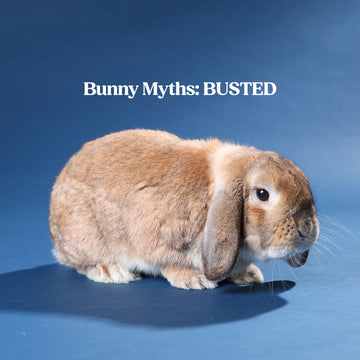
Think you’ve got bunnies all figured out? Before bringing home your future fluffy bestie, it’s important to dig into the facts. There are tons of bunny myths out there—here are 5 big ones every soon-to-be bunny parent should know!
🐰 Myth #1: "Rabbits are low-maintenance pets."
Truth: Rabbits are anything but low-maintenance. They need daily care, social interaction, and a bunny-proofed environment. Let’s break down what that really looks like:
-
Vet Bills: Rabbits need annual wellness exams, and since they’re considered exotic pets, vet visits often cost more than for cats or dogs. Expect to spend $100–$200+ per visit. Spaying or neutering—essential for behavior and health—can cost $300–$1,000+ depending on where you live.
-
Food: Rabbits need a constant supply of fresh hay, which is the bulk of their diet and keeps their digestive system and teeth healthy. Monthly hay costs can run $20–$40, depending on size and quality.
-
Fresh Produce: Daily leafy greens and vegetables (like romaine, parsley, cilantro) are essential. Weekly produce costs can range from $10–$20.
-
Pellets: High-quality rabbit pellets cost about $10–$20 per month, but they're only a small part of the diet.
-
Other Essentials: Add in litter, toys, grooming tools, and regular enrichment, and it’s easy to spend $1,000+ per year on a healthy, happy rabbit.
They’re totally worth it—but definitely not a “cheap” or low-effort pet. 💸💗
🥕 Myth #2: "Rabbits only need carrots and lettuce to eat."
Truth: Sorry, Bugs Bunny—this one’s way off. While cartoons show bunnies chomping on carrots all day, in reality, carrots are high in sugar and should only be fed in small amounts as treats. Iceberg lettuce? That one’s a no-go—it contains lactucarium, which can be harmful in large quantities and offers little nutritional value.
Here’s what a healthy rabbit diet really looks like:
-
85–90% should be fresh hay (timothy, orchard grass, or meadow hay).
-
10% should be fresh leafy greens like romaine, parsley, cilantro, basil, or dandelion greens. Rotate the greens for variety and nutrition.
-
5% or less should be pellets—choose a plain, high-fiber, timothy-based brand with no added seeds or dried fruit.
-
Occasional treats can include small slices of apple, banana, or yes, carrot—just not every day!
Feeding your bunny properly helps prevent GI stasis, obesity, and dental disease—some of the most common (and costly) health issues in rabbits.
🐇 Myth #3: "Rabbits are great starter pets for young kids."
Truth: Rabbits might look like the perfect cuddly companion for kids—but most buns don’t enjoy being held or carried around. They’re prey animals, which means sudden movements, loud noises, or rough handling can cause serious stress or injury.
Plus, rabbits:
-
Are delicate and can break their backs if they kick too hard while being held incorrectly.
-
Need patient, gentle interaction to build trust.
-
Can nip or scratch if they’re scared or overwhelmed.
While kids can absolutely enjoy and bond with bunnies, adults need to take the lead on daily care and teach children how to respect their bunny’s space. Rabbits do best in calm households where their boundaries are understood and respected.
🏠 Myth #4: "Rabbits can live in large cages."
Truth: Imagine living your whole life in a closet. That’s what a standard pet store rabbit cage feels like to a bunny. Rabbits are active animals that need to stretch, hop, and explore daily to stay healthy and happy.
Here’s what they actually need:
-
A minimum of 10-12 square feet of enclosure space, plus at least 3–4 hours of free-roam time each day.
-
Many bunny parents use exercise pens (x-pens), or even free-roam their bunnies like cats—bunny-proofing the space with cord protectors and hiding anything chewable.
-
Bored bunnies can become destructive, chewing baseboards, furniture, or wires—so space and stimulation are essential.
At BunnieBox, we’re all about supporting happy, enriched bunnies who get to explore their world—not just sit in a cage. Having a monthly delivery of bunny essentials helps keep your rabbit out of trouble and HOPPY in their environment.
🧠 Myth #5: "Rabbits don’t need toys."
Truth: Rabbits are incredibly smart, curious creatures—and they need more than food and a cozy space to be happy. Without mental stimulation, bunnies can get bored, anxious, or even destructive. Toys aren’t just cute extras—they’re essential for both mental and physical well-being.
Here’s why toys matter:
-
Foraging & Problem-Solving: Bunnies love working for their treats! Toys that encourage sniffing, digging, and figuring things out mimic natural behaviors and keep their minds active.
-
Physical Play: Toss toys, tunnels, and stacking cups help keep them moving and entertained.
-
Chews for Dental Health: A rabbit’s teeth never stop growing—up to 3–5 inches per year! Without constant chewing, their teeth can overgrow and lead to painful dental issues that require veterinary care. Safe, chewable toys like wood, hay cubes, or apple sticks help wear teeth down naturally.
At BunnieBox, we carefully curate a monthly mix of toys, chews, and enrichment that checks all the boxes—forage-worthy, chewable, bunny-approved fun. Every box is designed to support your rabbit’s health, happiness, and natural instincts. 🐰💚
Rabbits are wonderful, loving companions—but they come with unique needs that many people don’t realize at first. By busting these common myths, we hope to help more future bunny parents start off on the right paw. With the right care, enrichment, and understanding, your rabbit can live a long, healthy, and joyful life. At BunnieBox, we’re here to support you every hop of the way—bringing monthly enrichment, treats, and chews straight to your door to keep your bunny happy, healthy, and thriving. 💕🐇